
Laponia Sky Hut
BackLaponia Sky Hut offers a unique stay in one of Sweden's most remote and scenic areas, where guests experience the untouched wilderness in the struggle between tranquility and adventure. This article examines what works well and what can be improved based on available information and general industry principles for hotels and lodging.
At first glance, Laponia Sky Hut appears to be a modern interpretation of mountain living – compact, functional and focused on experience rather than grand public spaces. For travelers seeking close contact with nature, staying in a “sky hut” in Stuor Kartojaure becomes a possible option to consider when planning a longer stay in Norrbotten.
What makes good
- Unique location: The property is located in a remote landscape and offers easy access to the wilderness, attracting adventure and nature-loving guests.
- Authenticity: This type of stay provides a clear experience of Lappish nature and culture, which is often appreciated by travelers who want to stay close to tranquility and starry skies.
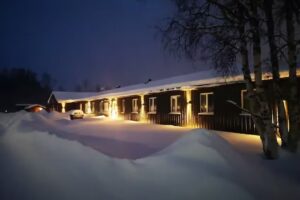
- Visually attractive content: Images and photographs of the location show a clear, autonomous environment that can be used for marketing and inspiration among potential guests.
- Emerging as an alternative to traditional hotel rooms: For small groups or couples, a sky hut can provide a romantic or adventurous experience without having to pay for larger accommodation units.
Possible areas for improvement
- Details about amenities: information about what amenities are offered inside the cottage/house, such as heating, electricity, water and toilet facilities, is crucial for customers' purchasing decisions.
- Clarity around accessibility: how and when guests can reach the location, especially in the winter months when road conditions and snow conditions can affect accessibility.
- Size and capacity: exact figures for the number of people the accommodation can accommodate, as well as any separate sleeping arrangements, are important for groups and families.
- Environmental consideration and sustainability: describing practices for environmental protection, waste management and the use of renewable energy strengthens the credibility of green travelers.
- Customer reviews and social confirmation: aggregated user reviews and comparisons with similar offerings in the area can provide a more nuanced picture of the experience.
User experience and target audience
This type of accommodation typically appeals to nature lovers, photographers, hikers and those looking for a “break” from city life. To maximize conversion and bookings, hotels and accommodations can activate the following communication strategies:
- Focus on experiential offerings such as the midnight sun, northern lights, silence and starry nights as core benefits in marketing.
- Offer packages that include outdoor activities, guided tours, and fairly priced experiential activities.
- Use fast-loading slideshows and virtual tours that show how the place is experienced in different seasons.
- Weather-dependent experience: access and experience can be greatly affected by snow, ice, and cold temperatures, which may affect guests' plans.
- Limited infrastructure: depending on the remote location, communication, transportation, and emergency services may be less accessible than in more central accommodations.
- Affordability compared to larger hotels: for some guests, the experience may be perceived as expensive in relation to the amenities offered compared to traditional hotels.
To boost visibility and conversion, the following strategies are recommended: update details about the accommodation's capacity and facilities regularly, include customer reviews and images that show real guest experiences, and create partnerships with local outdoor and tourism stakeholders for joint offerings.
With the right balance between authenticity and clarity, Laponia Sky Hut can attract a broad audience looking for a unique, close-to-nature experience while providing security in the natural surroundings.